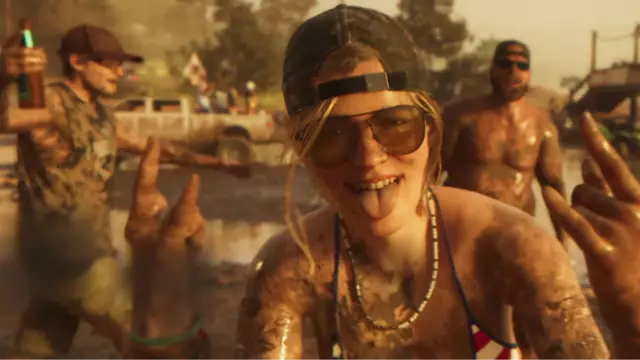
There is little debate that GTA 6 is shaping up to be one of the most significant releases of the decade. Trailers have suggested a confident return to scale, tone, and cultural commentary, all hallmarks of Rockstar’s best work. Yet beneath the anticipation sits a quieter concern. Not about the single player campaign, but about what comes after. Specifically, the future of its online component.
For many players, the story mode is already assumed to be exceptional. The uncertainty lies in whether the online experience can match that ambition without repeating old mistakes.
The shadow cast by GTA Online
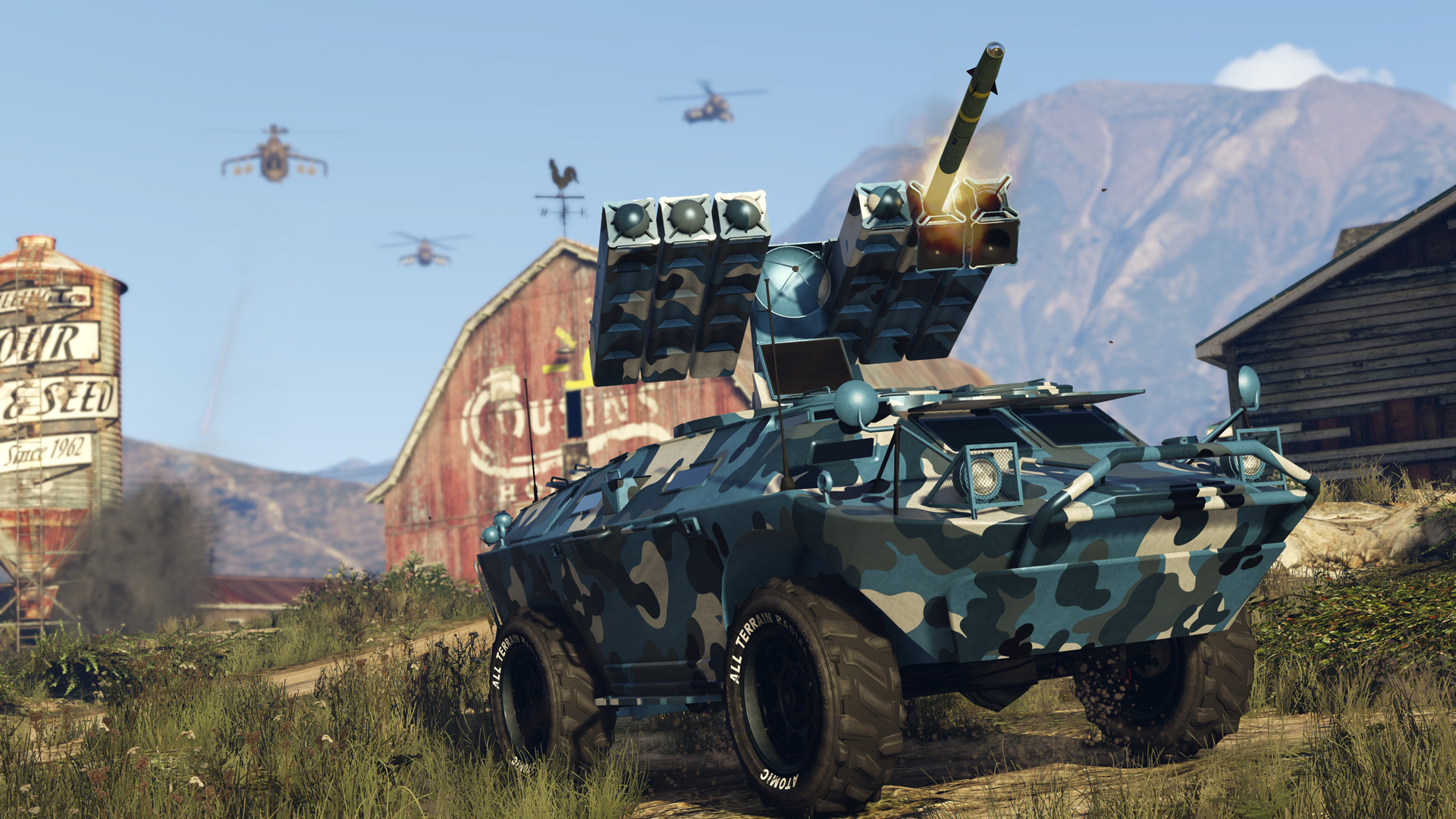
To understand why fans are cautious, it helps to look backward. GTA Online evolved into an enormous revenue engine, but it did so at a cost. Over time, balance eroded. Progression became inflated. New content often favored spectacle over cohesion.
That history matters. GTA 6 will inevitably be compared to what came before, not just creatively, but structurally. Players want a fresh start, not a continuation of systems that eventually felt bloated.
Fans may be surprised that concern is strongest among long term players rather than newcomers. Experience has taught them what happens when an online mode grows faster than its foundations.
Why expectations are higher this time
Unlike previous entries, GTA 6 arrives in an industry more sensitive to live service fatigue. Players are more skeptical of endless grinds and aggressive monetization. They are also more vocal.
This context places pressure on :contentReference[oaicite:0]{index=0}. The studio is expected to deliver an online mode that feels purposeful rather than extractive. That is a difficult balance to strike.
However, Rockstar has an advantage. Time. The extended development cycle suggests lessons were learned. Whether they were applied remains the open question.
What players want from GTA 6 Online
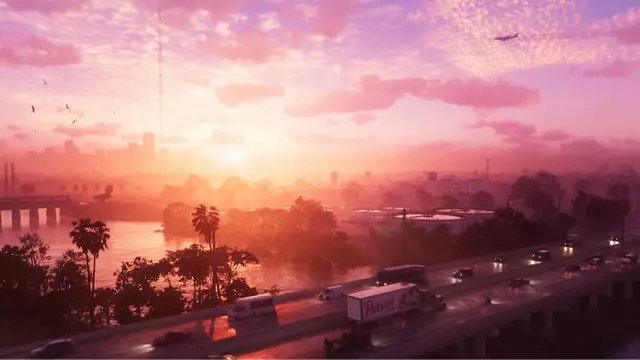
Community discussion points to a few consistent themes. Players want slower progression that feels meaningful. They want activities that reinforce the world rather than distract from it. Most of all, they want fairness.
In contrast to late stage GTA Online, the hope is for systems that reward skill and coordination instead of raw spending power. That does not mean eliminating monetization. It means integrating it with restraint.
This changes everything. Not because monetization will disappear, but because tolerance for imbalance has diminished.
The risk of overcorrecting
There is also danger in swinging too far the other way. Stripping down the online experience to avoid criticism could result in something shallow. Rockstar must navigate between excess and emptiness.
A living online world requires momentum. Events, updates, and reasons to return matter. The challenge is ensuring those additions enhance the experience rather than overwhelm it.
Rockstar’s silence on GTA 6 Online suggests caution. The studio appears unwilling to promise anything it cannot sustain.
Single player confidence versus online uncertainty
Interestingly, concern about the online mode does not extend to the core game. Confidence in the campaign is unusually strong. Trailers indicate careful writing, grounded performances, and a world designed with intent.
That contrast highlights the issue. Players trust Rockstar as storytellers. They are less certain about Rockstar as long term service operators.
In contrast, other studios have stumbled by prioritizing online systems at the expense of authored content. Rockstar must avoid that perception entirely.
Lessons from Red Dead Online
Red Dead Online provides a quieter reference point. It launched with promise but struggled to maintain momentum. Content cadence slowed. Community frustration grew.
Many players view that experience as a warning rather than a failure. It showed what happens when expectations outpace support.
Applying those lessons to GTA 6 Online could lead to a more sustainable approach, even if growth appears slower at first.
Why restraint could be Rockstar’s strongest move
There is an argument that Rockstar should intentionally limit GTA 6 Online at launch. A focused experience. Fewer systems. Clear identity.
Expanding gradually would allow balance to hold. It would also reduce the shock of escalation that defined GTA Online’s later years.
Players increasingly value coherence over volume. Rockstar may be prepared to lean into that shift.
A personal reading of the concern
My view is mixed but hopeful. Worry about the online mode reflects care, not cynicism. Players want GTA 6 to succeed across every dimension.
The fear is not that Rockstar will fail creatively. It is that success will invite excess.
If Rockstar approaches GTA 6 Online as a companion rather than a replacement for the core experience, trust will follow.
The stakes could not be higher
GTA 6 will define expectations for open world games well into the future. Its online component will shape how live services are judged.
Get it right and Rockstar sets a new standard. Get it wrong and even a masterpiece risks being overshadowed.
Silence, for now, may be the most responsible position.
What players should realistically expect
Players should expect ambition tempered by caution. Systems designed to last. Monetization present but measured.
Above all, they should expect Rockstar to adjust. GTA 6 Online will not be static. It will evolve.
The hope is that it evolves with its community rather than ahead of it.