
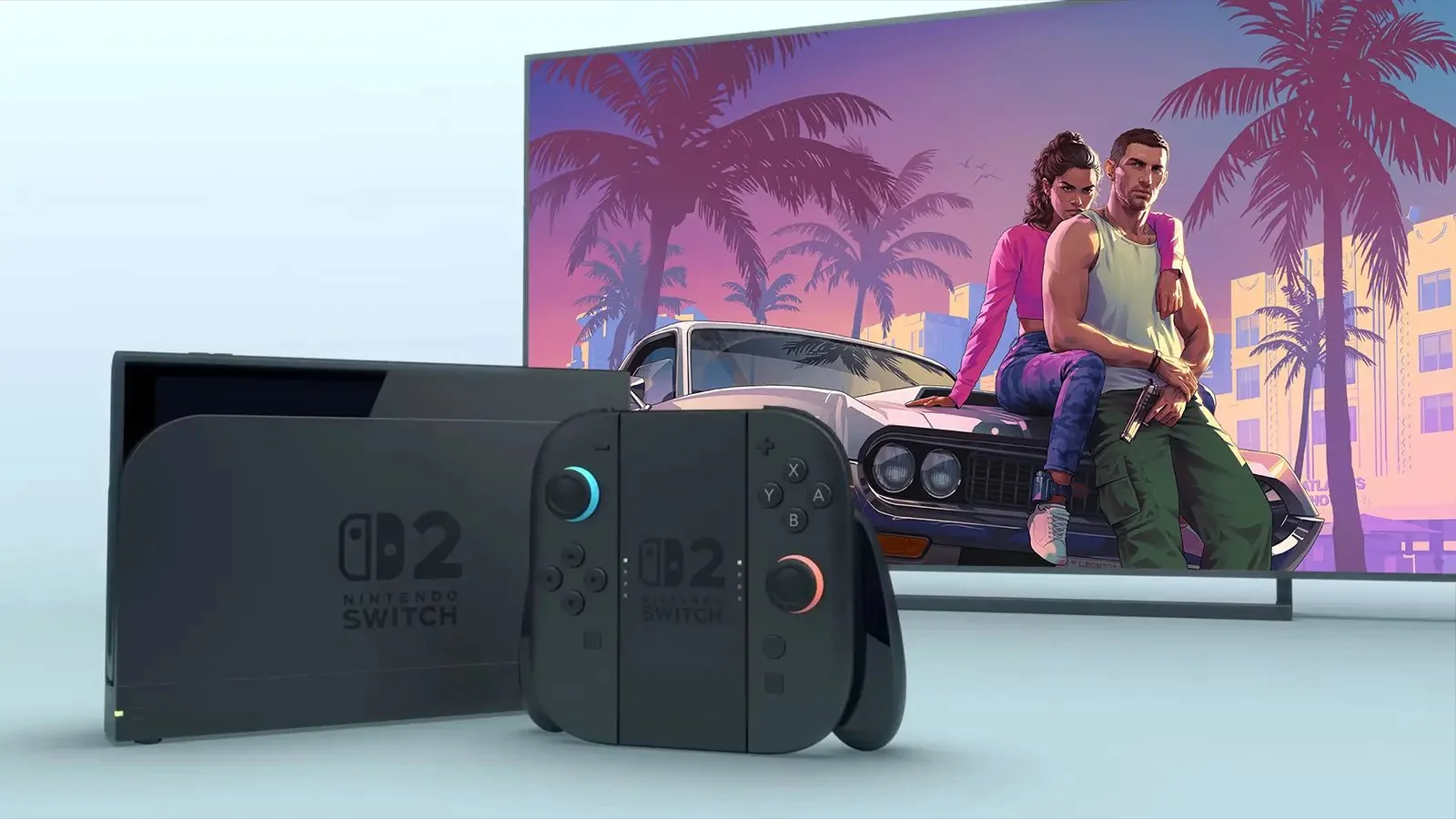
GTA 6 will arrive later than some fans expected. According to recent statements from Take-Two Interactive, the decision to postpone Grand Theft Auto 6 stems from one clear objective: ensuring technical stability and performance on current-generation hardware.
It is a familiar story in modern game development. However, the reasoning deserves attention.
A Strategic Delay, Not a Crisis
Whenever a high-profile release shifts its timeline, speculation follows. Production issues. Creative resets. Internal disagreements. In this case, Take-Two has framed the delay differently.
The publisher emphasized optimization for PlayStation 5 and Xbox Series X|S. These consoles offer advanced capabilities, yet they also demand careful engineering. Large-scale open worlds, dynamic systems, and dense city environments strain hardware in ways earlier generations could not sustain.
Rather than compromise performance, the company appears willing to extend development.
Fans may be surprised that technical refinement, rather than content expansion, sits at the center of this adjustment. However, Rockstar’s reputation relies on polish. Frame rate instability or persistent bugs would undermine years of anticipation.
Why Technical Excellence Matters for GTA 6
Grand Theft Auto 6 is expected to deliver one of the most intricate urban simulations ever created. Early previews suggest dynamic traffic systems, evolving NPC behavior, and expanded environmental interaction.
Such ambition introduces complexity.
Current-generation consoles provide faster SSD storage and enhanced graphical throughput. Yet leveraging that hardware fully requires optimization at scale. Memory management, lighting systems, and streaming technology must operate seamlessly.
In contrast, rushing development could result in uneven performance across platforms. That outcome would damage launch perception and long-term sales.
This changes everything about how delays are interpreted. Instead of signaling instability, it reflects caution.
Rockstar’s History of Extended Development Cycles
Rockstar Games has rarely adhered to aggressive timelines. Red Dead Redemption 2 underwent multiple schedule adjustments before release. The result was a technically cohesive experience that set benchmarks for environmental detail.
Similarly, GTA V transitioned across console generations with careful recalibration. Each iteration improved stability and fidelity.
The pattern suggests a consistent philosophy. Delay if necessary. Release when ready.
Moreover, the scale of GTA 6 development likely surpasses previous entries. Industry analysts estimate budgets exceeding hundreds of millions of dollars. That investment demands precision.
Balancing Ambition With Hardware Realities
Developing exclusively for current-generation systems simplifies certain constraints. However, it also raises expectations. Players anticipate 60 frames per second performance, minimal loading times, and visual density comparable to cinematic experiences.
Meeting those standards requires extensive testing. Open-world titles introduce unpredictable variables. AI behavior, environmental physics, and mission scripting intersect in real time. Minor inefficiencies can cascade into visible issues.
Take-Two’s messaging underscores a commitment to consistency. Rather than delivering staggered patches post-launch, the publisher appears intent on reducing risk before release.
That approach contrasts with recent industry trends, where titles launch amid performance criticism and receive months of corrective updates. Rockstar seems determined to avoid that cycle.
Investor Confidence and Market Expectations
Delays can unsettle shareholders. However, Take-Two’s communication frames the adjustment as a long-term safeguard. Strong technical performance often correlates with sustained sales and critical acclaim.
GTA 6 is positioned to generate record-breaking revenue. Analysts predict unprecedented launch figures. Ensuring smooth performance across millions of consoles protects that forecast.
Moreover, extended development aligns with the publisher’s broader strategy. Rather than annualized releases, Take-Two focuses on tentpole franchises. Each major launch carries significant weight.
In that context, a delay becomes less alarming and more strategic.
What the Delay Means for Players
For players, the immediate reaction may be frustration. Anticipation for Grand Theft Auto 6 has been building for years. However, expectations for quality remain equally high.
Technical excellence shapes immersion. Seamless transitions between missions and open-world exploration preserve narrative flow. Stable performance enhances realism.
Moreover, a refined launch strengthens multiplayer longevity. If Rockstar expands online components, early stability will influence adoption rates.
In contrast, a rushed release could fracture community sentiment. Early negative impressions are difficult to reverse.
The decision suggests confidence in the project’s foundation. Developers believe additional time will elevate the final result rather than repair structural flaws.
A Calculated Commitment to Quality
GTA 6 stands at the intersection of expectation and innovation. It must advance graphical fidelity while sustaining the franchise’s satirical tone. It must scale new systems without compromising narrative cohesion.
Technical discipline underpins those ambitions.
Take-Two’s postponement signals restraint. In an era when release calendars grow increasingly crowded, patience becomes competitive advantage.
Fans may debate the revised timeline. Analysts may adjust forecasts. Yet the rationale remains straightforward: performance first.
When Grand Theft Auto 6 finally arrives, it will carry not only narrative anticipation but technical scrutiny. Rockstar appears intent on meeting both.
Sometimes, waiting is part of the craft.