Before a game like Grand Theft Auto 6 even launches, character discussion tends to collapse into hierarchy. Who is the real lead. Who matters more. Which protagonist will dominate the marketing, the plot, or the player’s attention. That instinct is understandable, but it may be the wrong way to think about Rockstar’s next cast. In a story built around relationships, the more useful question is not which character matters most in isolation, but which combinations create the strongest dramatic pressure.
Rockstar has often relied on a broad ensemble of side figures, antagonists, allies, and unstable partners to keep its narratives lively. Sometimes that produces a world full of memorable people, but also a slight diffusion of focus. GTA 6 has a chance to sharpen that model if it treats character importance relationally rather than hierarchically. The most effective person on screen may not be the one with the most missions or the loudest presence. It may be the one who changes how others behave.
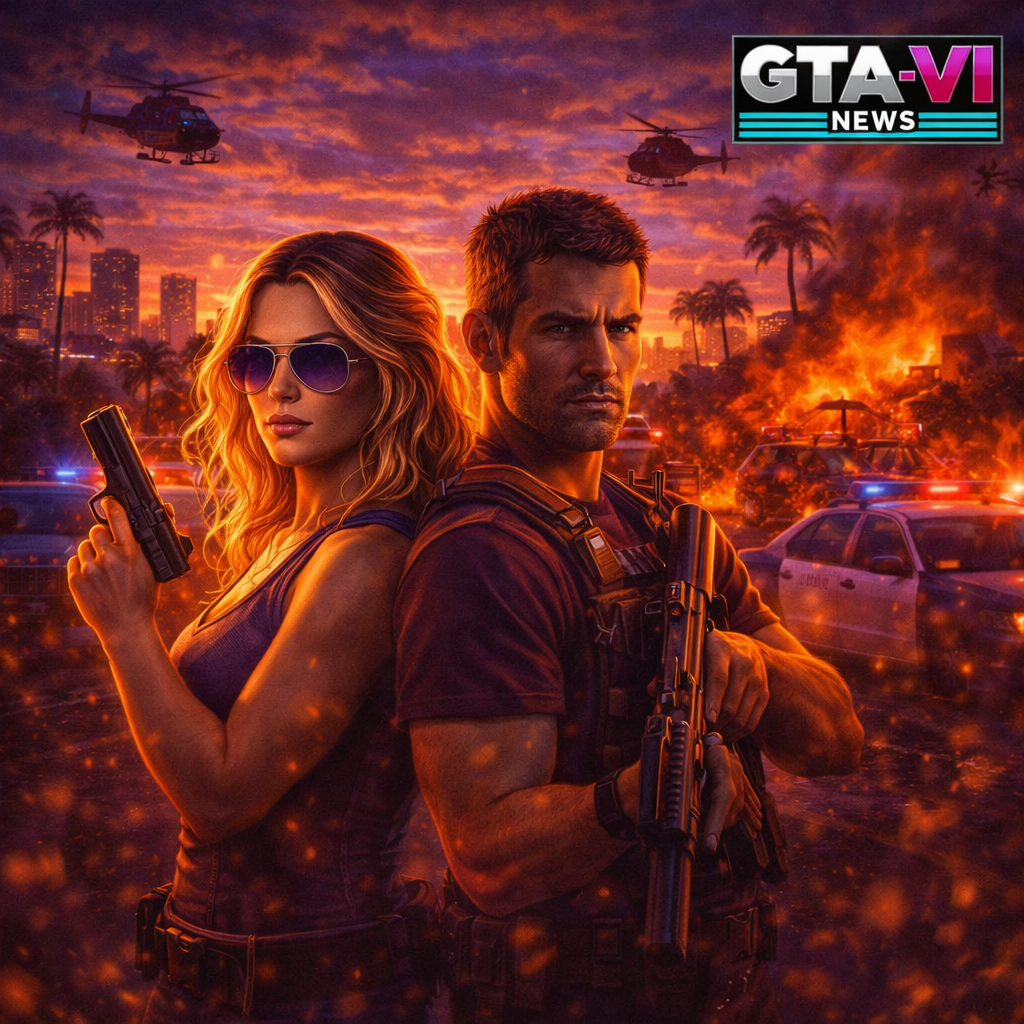
This is especially relevant if the game uses dual protagonists. In that structure, value is not measured only by individual charisma. It is measured by interaction. A quieter character can matter enormously if their choices reveal another character’s insecurities, dependencies, or ambitions. Likewise, a flamboyant side figure may be entertaining without ultimately shaping the story very much.
Relationships create the real narrative architecture
The best stories are often remembered through relational dynamics rather than isolated performances. Who trusted whom too long. Who represented an escape route. Who functioned as a mirror, a warning, a temptation. In a game as large as GTA 6, this approach may be especially important because the open world itself creates enough distraction. The relationships need to provide the structural continuity.
That means Rockstar should think carefully about how its characters alter each other over time. Supporting roles should not only provide tasks or comic energy. They should expose fault lines in the leads. A local operator might pull one protagonist toward ambition. A family connection might reveal fear. A wealthy patron might embody a future the characters simultaneously desire and distrust.
If that network is well built, players will stop asking which individual matters most because the answer will change depending on where the story is at any given moment. That is usually a sign of a healthy ensemble.
Importance should be earned through effect
One of the weaknesses of blockbuster character writing is that importance is sometimes announced rather than dramatized. A figure is framed as crucial, given screen time, and treated as major, but their effect on the story remains thin. GTA 6 can avoid that by tying importance directly to consequence. Who changes the course of events. Who changes the emotional atmosphere. Who forces the protagonists to revise how they see themselves.
This is also where Rockstar’s environmental storytelling can help. A character does not need endless dialogue if the spaces around them, the people tied to them, and the missions they generate reveal a coherent social role. Importance can be felt in structure as much as performance.
So while the launch conversation will inevitably rank GTA 6’s characters by visibility and hype, the deeper success of the cast may depend on something less obvious. Not who stands tallest alone, but who creates the most friction, depth, and transformation in relation to everyone else.
That is the kind of ensemble logic Rockstar could use more confidently. In a world this large, no single character should have to carry all the meaning. The better achievement would be a cast that makes the city feel emotionally interconnected rather than simply populated.