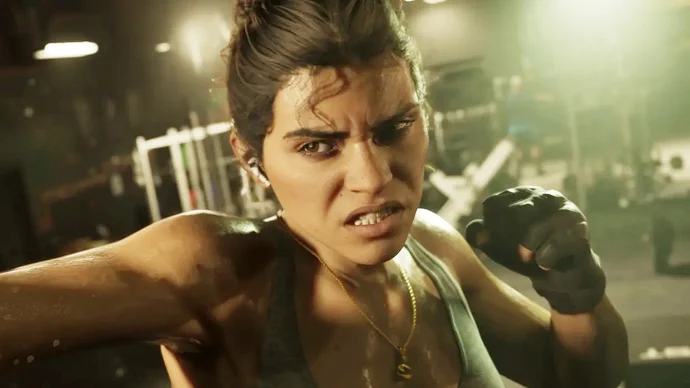
Claims of aggressive takedowns have emerged as the game approaches launch, although the scope of any policy requires official confirmation.
Why story footage is a sensitive issue
Beyond the first headline
Spoiler culture also has a social dimension. Fans often adopt voluntary embargoes in group chats or avoid posting story details in thumbnails during the opening weeks. Those practices do not require legal action and may be more effective at protecting casual viewers than formal copyright claims alone.
Publishers face a delicate communications problem. Explaining restrictions too vaguely can discourage legitimate reviews and reporting. Explaining them too narrowly may help bad actors evade enforcement. A clear public policy would give both players and creators more certainty.
Questions beyond the headlines
For audiences, the practical problem is that avoiding spoilers takes more effort than avoiding an ordinary review. Automated feeds can display footage without first presenting a written warning. A thumbnail may reveal a location or character before the viewer has decided to watch. That is why responsible creators often keep important plot developments out of titles and preview images, even when they believe the video itself is permissible.
A publisher also benefits from a predictable approach. Clear instructions about embargo dates, footage duration and late-game story scenes help professional publications plan their reporting. Surprise enforcement can produce confusion and make fair criticism harder to distinguish from leaks. The best outcome would protect legitimately confidential material while allowing informed post-release analysis and ordinary fan conversation to develop.
For a narrative-driven release, the period immediately before launch can be especially vulnerable to leaks. A short clip can reveal a character’s fate, a late-game location or a crucial mission twist. Reports that Rockstar could remove GTA 6 spoiler videos have therefore sparked debate about how far a publisher should go to protect the experience.
The exact scope of any planned enforcement remains important. Unauthorized prerelease footage, footage uploaded in violation of a confidentiality agreement and videos made by customers after release can raise quite different questions. Treating them as one category would oversimplify the issue.
Copyright tools have limits and consequences
Major video platforms already operate copyright reporting systems. Rights holders can request removal of material they consider infringing, while uploaders may have review or dispute mechanisms. Such systems are often used against stolen or leaked video. But copyright ownership does not automatically make every conversation about a copyrighted work impermissible.
A review using short illustrative clips, a commentary video and an unedited upload of an entire cinematic sequence are not necessarily equivalent. The applicable laws vary by territory and the details of each use matter. A blanket headline can obscure those differences.
The case for preserving surprises
Rockstar has an obvious commercial interest in keeping major plot turns out of circulation before customers can play. Story reveals spread particularly fast through thumbnails, social feeds and automatically recommended videos. Even someone avoiding GTA 6 searches can encounter spoilers through a general gaming timeline.
Players who want a fresh experience may welcome firm action against leaked cutscenes. However, that support is not the same as endorsing restrictions on all criticism or discussion. A sensible distinction separates material obtained improperly from good-faith post-release coverage.
What creators should do
YouTubers and streamers covering Grand Theft Auto VI should check current publisher guidance and platform policies before uploading. If footage has an uncertain origin, waiting for legitimate access reduces legal and account risks. Clear spoiler notices, restrained thumbnails and separate discussion of late-game scenes also help viewers choose what to see.
Creators should not assume that adding a disclaimer guarantees protection from a copyright complaint. Nor should they assume that any report about takedowns describes a universal ban. Publishing practices are safest when they rely on documented rules rather than a social media interpretation.
The questions still unanswered
The real test will be whether Rockstar or its publishing partners announce specific restrictions, what types of content those rules cover and how enforcement works after launch. A stated policy, a single removal request and widespread automated takedowns would be three materially different developments.
Until the boundaries are clear, the responsible framing is that GTA 6 spoiler enforcement is under discussion, not that every story video is forbidden. The challenge is protecting a major game’s surprises without confusing unauthorized leaks with the wider conversation that gives a release cultural life.
The debate is unlikely to end the day the game becomes playable. Different regions have different rules about criticism, quotation and copyrighted footage. Video platforms also apply their own procedures, sometimes faster than a rights dispute can be resolved. Creators and viewers will benefit from clear warnings, documented policies and careful reporting about actual removals instead of extrapolating from isolated examples.