
A practical way to judge the claim
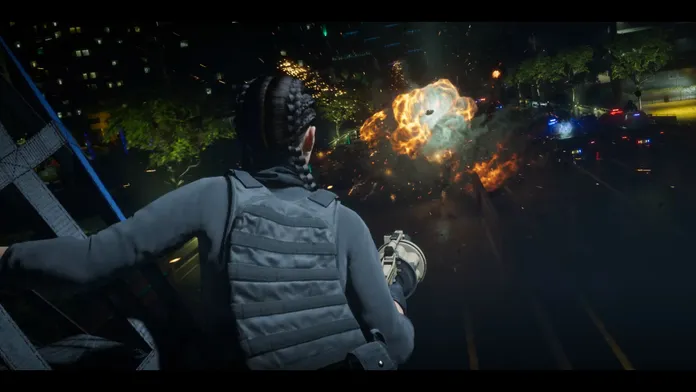
GTA 6 coverage operates in an unusually crowded information environment. Official marketing, community theories, alleged leaks and opinion columns frequently compete for the same attention. Context is essential here. A promotional image may show a possibility, but it rarely explains how a feature behaves across an entire campaign. Players will need direct demonstrations or hands-on evidence before drawing broader conclusions. That is the distinction worth keeping in mind.
Readers benefit when articles identify their sources, date claims accurately and explain the limits of what is known. There is a useful precedent in earlier Rockstar releases. Their most memorable moments often come from the interaction between scripted missions and unscripted activity rather than the sheer number of advertised features.
What remains unresolved

An enticing headline can travel further than its underlying evidence. That is particularly risky when an anonymous claim is repeated by multiple outlets until it begins to look independently verified. This also affects expectations. Fans who follow every announcement may recognize a small detail immediately, while occasional players will judge the finished experience on whether its systems feel coherent and responsive. The result may be more nuanced than the early debate suggests.
Readers benefit when articles identify their sources, date claims accurately and explain the limits of what is known. Online conversation tends to reward the boldest interpretation. Careful coverage should do the opposite: identify what can be seen, explain what is inferred and leave unanswered questions unanswered.
The editorial perspective
Journalists can still offer sharp analysis without pretending to know features, business plans or release decisions that Rockstar has not publicly confirmed. The commercial stakes are substantial. Rockstar and parent company Take-Two must balance an enormous audience with the practical limits of development, marketing and technical performance. For now, caution is more useful than certainty.
GTA 6 coverage operates in an unusually crowded information environment. Official marketing, community theories, alleged leaks and opinion columns frequently compete for the same attention. Players will also have different priorities. Some want a detailed story, others care about vehicles, exploration or emergent encounters. A single headline cannot capture all those expectations.
What is actually established
Readers benefit when articles identify their sources, date claims accurately and explain the limits of what is known. There is a useful precedent in earlier Rockstar releases. Their most memorable moments often come from the interaction between scripted missions and unscripted activity rather than the sheer number of advertised features. That is the distinction worth keeping in mind.
Journalists can still offer sharp analysis without pretending to know features, business plans or release decisions that Rockstar has not publicly confirmed. Another question concerns consistency. A feature that appears impressive in a controlled demonstration must still work during ordinary play, when players ignore the intended route or create unexpected situations.
The detail that deserves attention
GTA 6 coverage operates in an unusually crowded information environment. Official marketing, community theories, alleged leaks and opinion columns frequently compete for the same attention. Online conversation tends to reward the boldest interpretation. Careful coverage should do the opposite: identify what can be seen, explain what is inferred and leave unanswered questions unanswered. The result may be more nuanced than the early debate suggests.
An enticing headline can travel further than its underlying evidence. That is particularly risky when an anonymous claim is repeated by multiple outlets until it begins to look independently verified. Timing matters as well. Preview footage represents a particular moment in development or marketing. It is not a permanent specification of every element in the released game.
How the earlier games inform expectations
An enticing headline can travel further than its underlying evidence. That is particularly risky when an anonymous claim is repeated by multiple outlets until it begins to look independently verified. Players will also have different priorities. Some want a detailed story, others care about vehicles, exploration or emergent encounters. A single headline cannot capture all those expectations. For now, caution is more useful than certainty.
Readers benefit when articles identify their sources, date claims accurately and explain the limits of what is known. The better measure will be the finished game. Small details become meaningful when they support believable characters, varied activities and a world that responds naturally to player decisions.
Where speculation begins
Journalists can still offer sharp analysis without pretending to know features, business plans or release decisions that Rockstar has not publicly confirmed. Another question concerns consistency. A feature that appears impressive in a controlled demonstration must still work during ordinary play, when players ignore the intended route or create unexpected situations. That is the distinction worth keeping in mind.
An enticing headline can travel further than its underlying evidence. That is particularly risky when an anonymous claim is repeated by multiple outlets until it begins to look independently verified. Context is essential here. A promotional image may show a possibility, but it rarely explains how a feature behaves across an entire campaign. Players will need direct demonstrations or hands-on evidence before drawing broader conclusions.
What players should watch next
Readers benefit when articles identify their sources, date claims accurately and explain the limits of what is known. Timing matters as well. Preview footage represents a particular moment in development or marketing. It is not a permanent specification of every element in the released game. The result may be more nuanced than the early debate suggests.
An enticing headline can travel further than its underlying evidence. That is particularly risky when an anonymous claim is repeated by multiple outlets until it begins to look independently verified. This also affects expectations. Fans who follow every announcement may recognize a small detail immediately, while occasional players will judge the finished experience on whether its systems feel coherent and responsive.
The larger significance
GTA 6 coverage operates in an unusually crowded information environment. Official marketing, community theories, alleged leaks and opinion columns frequently compete for the same attention. The better measure will be the finished game. Small details become meaningful when they support believable characters, varied activities and a world that responds naturally to player decisions. For now, caution is more useful than certainty.
Journalists can still offer sharp analysis without pretending to know features, business plans or release decisions that Rockstar has not publicly confirmed. The commercial stakes are substantial. Rockstar and parent company Take-Two must balance an enormous audience with the practical limits of development, marketing and technical performance.